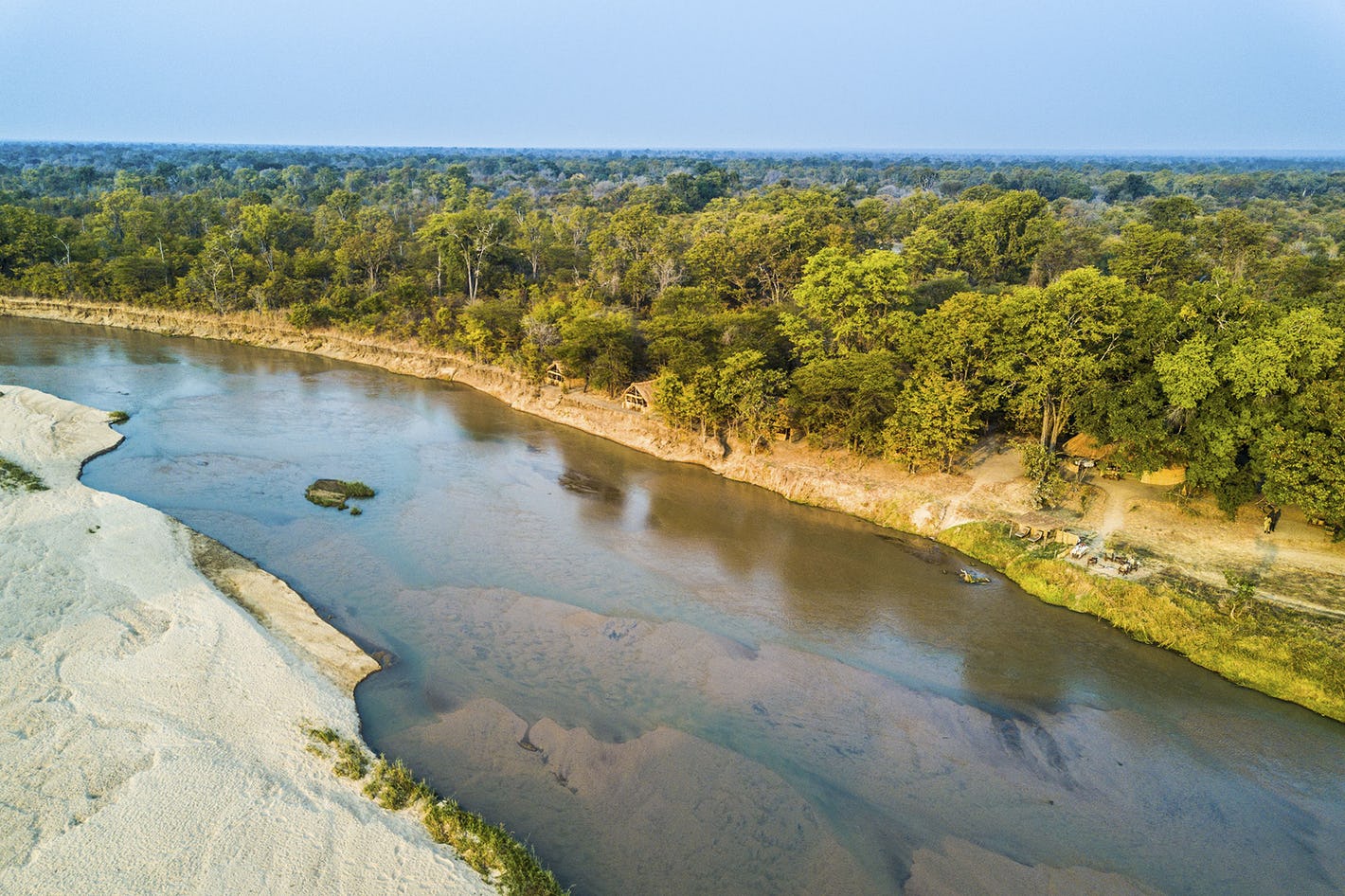
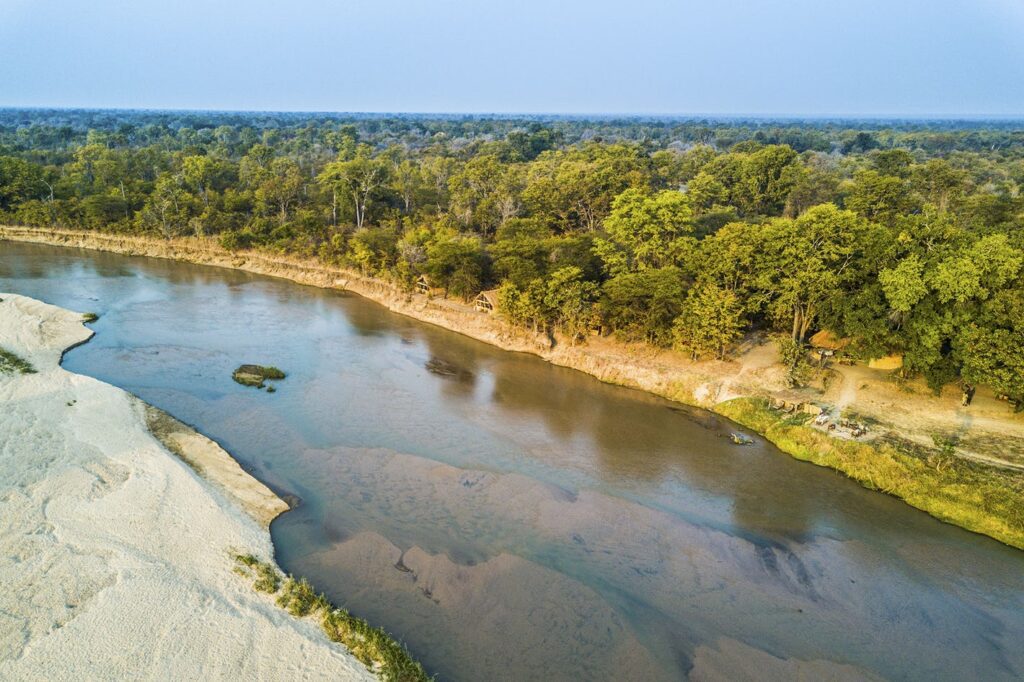
North Luangwa National Park is a spectacular wilderness area in Zambia. You can only enter this remote park with an official guide, and self-drive safaris are not allowed. It lies in the Luangwa Valley which covers almost the entire eastern region of Zambia. The special wildlife and lush landscapes of North Luangwa make it a draw for tourists. The diverse ecosystems presented in this area include dense bushes, woodlands as well as open plains around Mwaleshi River – all within close proximity to one another.
General information
The North Luangwa National Park was first founded as a game reserve in 1938 and became a national park in 1972. The park covers a total area of 4636 square kilometres and is located in the east of Zambia. The fanatical safari-goer may already be familiar with its counterpart, the South Luangwa National Park, but North Luangwa National Park is still unknown territory. This does not do North Luangwa National Park justice, as this park is certainly just as beautiful.
The park breathes the unique African atmosphere, because of its beautiful flora and fauna. In this park you will find the beautiful mopane woodlands, riverine forests, acacia thickets and open grasslands, as well as a wide variety of animals. In North Luangwa, you choose peace and desolation. Tourism is not yet a big thing here. Do bear in mind that the park can only be visited between June and October, as it is practically inaccessible during the rainy season.
Wildlife and safaris
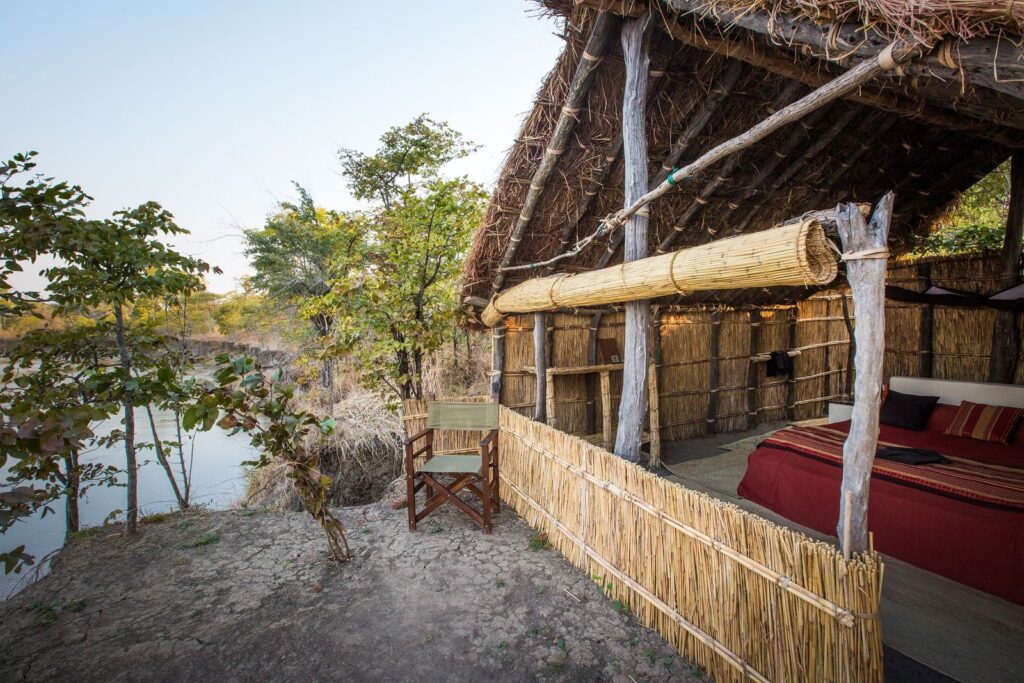
Relatively little has been invested in the park. As a result, there are few safari routes in the park. These can be found mainly around the rivers, which is a good thing. After all, this is where most of the animals hide. In the morning, the game usually moves back into the park to take shelter from the heat.
In the park, you will mainly find large herds of buffalo making their way through the park. In addition, zebras, warthogs, wildebeests, and antelopes are inhabitants of North Luangwa National Park. Due to the large buffalo population, this area is also attractive for lions and hyenas. In addition, the black rhino was reintroduced to the park in 2003, so there is also a small chance of seeing them. Because the park is less visited, the wildlife is more shy.